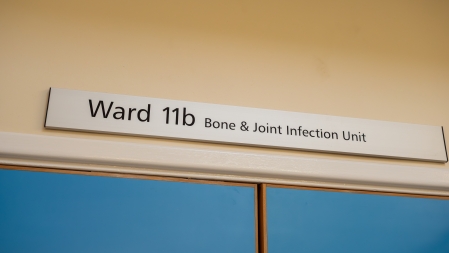
Welcome to the Bone and Joint Infection Unit (BIU)
The Bone and Joint Infection Unit is a special ward at Wansbeck General Hospital. It cares for people with serious bone and joint infections. It is 1 of only a handful of units of its type in the UK. Our team includes experts in infection and surgery. We work together to help you heal, move better, and return to daily life.
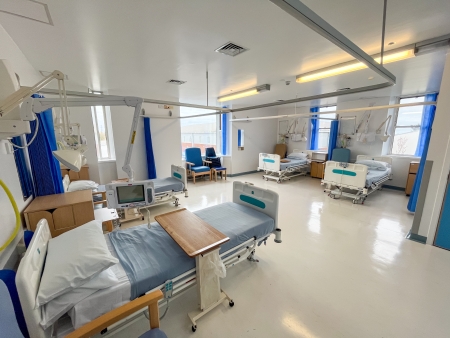
Infections after joint replacement happen in about 1 in 200 knee replacements. When they do occur, they can cause pain, swelling, and problems with movement. Treatment can be complex, so a team of specialists works with you throughout your stay.
Bone and joint infections can happen when bugs enter the body. This may occur through:
- The bloodstream
- A wound or ulcer
- An injury
- Surgery
These infections can affect:
- Joint replacements
- Broken bones
- Diabetic foot ulcers
Without treatment, they may cause long‑term pain, trouble walking, or slow wound healing.
This is much more likely if:
- The bone has been killed by the infection
- There is artificial material present (for example, a joint replacement)
- There is a persistent wound
Our unit cares for people with many types of infection, including:
- Prosthetic joint infections (hip, knee, ankle, shoulder)
- Osteomyelitis (bone infection)
- Discitis (spine disc infection)
- Septic arthritis
- Infected metalwork after fractures
- Infections from wounds or ulcers
To understand your infection, you may need:
- X‑rays or scans
- Blood tests
- Small procedures, such as joint aspiration
- Review by orthopaedic consultant surgeon
- Review by an infectious disease doctor
These help us decide the best treatment plan.
Most people need a mix of surgery, antibiotics, and rehabilitation.
1. Surgery
You may need:
- Surgery to clean the joint or remove infected tissue
- Revision surgery if a joint replacement needs to be redone
- Long‑term antibiotic treatment
- Specialist wound care
2. Antibiotics
You will usually have IV antibiotics (into your vein) for 7 days after your surgery.
Our team will then talk about your needs. We will prescribe you oral antibiotics (taken by mouth) for a set period of time. This can be 6 to 12 weeks or up to 1 year.
3. Rehabilitation
Physiotherapists and occupational therapists help you:
- Build strength
- Improve movement
- Learn safe ways to walk or use aids
- Prepare for going home
They can supply equipment to make every day tasks easier.
Recovery continues after you leave the unit. We can refer you onto community or outpatient rehabilitation services if needed.
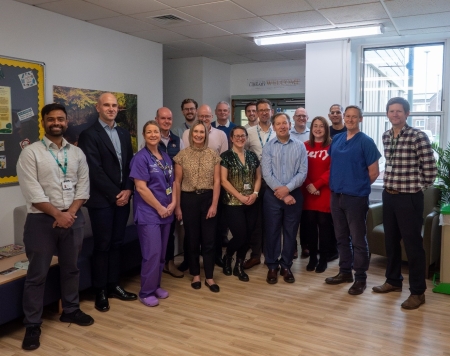
Our specialist team involves many people who work together to support your care.
There is a summary of the roles in our team below. Read more information about the team.
Orthopaedic surgeons
They perform surgery such as washouts, stabilisation, or revision joint replacement.
Infectious diseases (ID) consultants
They review your case and guide long‑term antibiotic treatment. You are usually reviewed on the ward round on Mondays and Thursdays.
Clinical microbiologists
They identify the germ causing the infection and help choose the right antibiotics.
Nurse practitioners
They perform daily reviews, manage medications, organise tests, review results, and liaise with the wider team.
Plastic surgeons
They help with wound coverage and soft‑tissue repair when needed.
Specialist nurses
They support wound care, antibiotics, and discharge planning.
Physiotherapists
They help you move safely, reduce stiffness, and regain strength.
Occupational therapists
They help you manage daily tasks like washing, dressing, and cooking. They also help plan for a safe return home.
Pharmacy team
They make sure your medicines are correct and safe during your stay and after discharge.
MDT Coordinator
They organise the weekly team meeting and help all staff work together.
Weekly MDT (multidisciplinary team) meeting
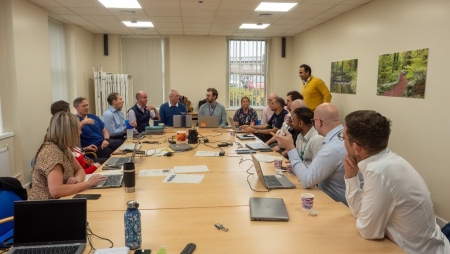
Every Thursday morning, our team meets to discuss complex cases. We review scans, test results, and treatment plans. This ensures your care is safe, coordinated, and tailored to your needs.
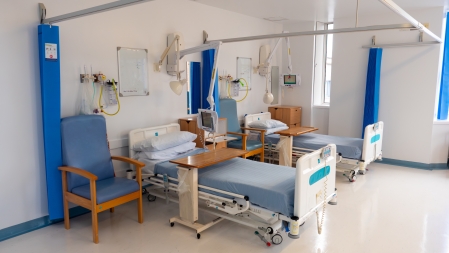
While you are here, you can expect:
- A calm, specialist ward
- Support with movement and daily tasks
- Information about antibiotics
- Help planning for discharge
- Advice on wound care and recovery
We often recommend a high‑protein diet to support healing.
Nursing staff and health care assistants will care for you. They will help you with personal care if needed and medication.
Nurse practitioners will review you. They perform daily reviews, manage medications, organise tests, review results, and liaise with the wider team.
A physiotherapist will assess you. They will set out a rehabilitation plan for you.
Your recovery time after treatment will be longer than it was after your hip or knee replacement. We will aim to get you home as soon as possible, but this may take longer than you expect. It is important for you to take things easy and expect your recovery to take 3 to 6 months.
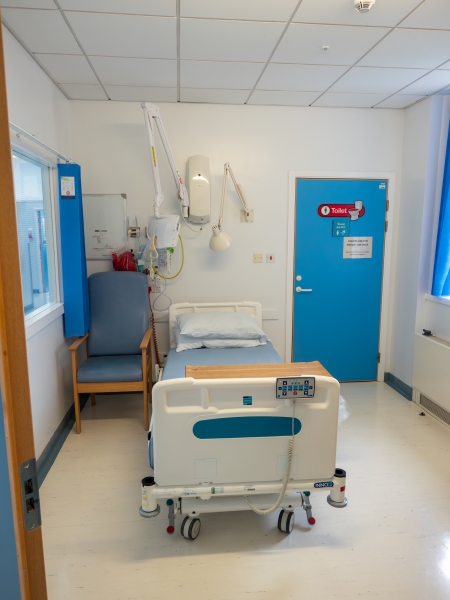
Bone & Joint Infection Unit (Ward 11B)
Wansbeck General Hospital
Woodhorn Lane
Ashington
NE63 9JJ
Information about transport, parking and facilities at the hospital.
North East and North Cumbria Revision Knee Network
In England and Wales, about 100,000 knee replacements are done each year. Most go well, but some patients need revision surgery. Around 6,000 to 7,000 revision knee surgeries happen each year.
Revision surgery is complex. It often involves:
- Specialist surgeons
- Physiotherapists
- Pain teams
- Radiologists
- Plastic surgeons
- Infection specialists
Due to this complexity, NHS England has supported the development of revision networks. These are focused on specialist knee revision centres, known as Major Revision Centres (MRCs).
North East Major Revision Centre
In the North East, the major revision centres are at:
- Northumbria Healthcare - Wansbeck and Cramlington (NSECH)
- Newcastle Hospitals - RVI and Freeman Hospitals
Care is coordinated through weekly regional MDT (multidisciplinary team) meetings. These involve local revision units:
- Gateshead Health - Queen Elizabeth Gateshead
- North Cumbria - Cumberland Infirmary
All patient cases in line for revision (re-do) surgeries go through these meetings for planning. We often transfer complex cases to the MRC sites at Northumbria and Newcastle.