

Publish date: 22 October 2026
Black History Month 2026 with Olubukola Elizabeth Akinmolayan
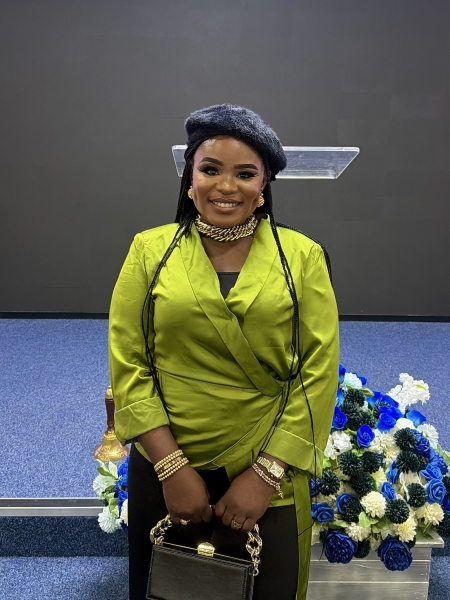
My name is Olubukola Elizabeth Akinmolayan. Growing up, I was ambitious and had desire to build a meaningful life, make a difference and contribute positively to the lives of others. Like many young people, my aspiration has evolved over time, but the values of hard work, compassion, personal growth, and service have remained at the heart of who I am. Beyond my clinical role, I am a wife and mother, a devoted Christian and convener of a platform dedicated to supporting internationally educated nurses as they navigate the UK healthcare system, access information and opportunities and build confidence in their professional journeys.
What was your career route to the role you have today?
Today, I am a registered Nurse with a total of 19 years nursing experience home and here in the UK. When I was down South, I specialised in Trauma and orthopaedics in one of the NHS hospitals. Since moving up North, I have worked on acute gastro medicine ward at NSECH and currently work as an Upper GI clinical nurse specialist. My journey in healthcare has been both rewarding and transformative. Nursing has taught me that making a difference goes beyond clinical skills; it is also about listening, advocating for patients, offering reassurance and support during vulnerable moments, and treating every person with dignity while observing the 6 C’s of nursing.
Do you have any advice for people with black heritage who may want to pursue careers in healthcare?
First, they need to believe that they belong in these spaces. Healthcare needs people from diverse backgrounds who can bring different experiences, perspective, and cultural understanding to patient care. Your identity can be a valuable part of the contribution you make, and it should not be a barrier to your success. Please do not limit your dreams to the opportunities you can currently see. Invest in yourself and seek the right mentorship- speak to people working in the roles that interest you, attend open days, seek work experience where possible and use your professional network to learn about the routes into your desired career. Ask for help when needed, break those glass ceilings and when you make progress, remember to reach back and help someone else along the way.
How has your heritage influenced your career?
My Nigerian heritage has influenced my career in many ways, particularly in shaping my values, work ethic, and the importance I place on community, compassion, and service to others. My heritage has shaped my resilience and ambition. I am well reminded that success is not only about personal achievements but also about the lives we touch, the barriers we help others overcome and the legacy we leave for the next generation.
Is there a person from your cultural group or background who has inspired you?
Dame Elizabeth Anionwu. I admire how she used her nursing career to advocate for patients, challenge inequalities, and improve care for people, living with sickle cell disease. I find her interest in advocacy, education, and leadership inspiring.
What does this year's theme, "Honouring our communities", mean to you?
To me, ‘Honouring Our Communities’ means recognising that none of us succeeds entirely on our own. Beyond every personal achievement, there are people, experiences and communities that have helped shape who we are. In my nursing career, I see this reflected in the care we provide to patients, the support we give to our colleagues and the difference we can make through small everyday acts of compassion. Not every contribution receives recognition but that does not make it any less valuable.
Do you think it’s important to see representation from black staff in high positions in the trust and why?
As a black woman working in healthcare, I recognise the importance of representation not just for visibility but also for inclusion, fairness, decision making and inspiring the next generation. So yes, I believe it is important to see black staff represented in senior leadership positions within the Trust because people need to see that progression and leadership are possible, regardless of their background and ethnicity. It inspires confidence in younger colleagues. Also, in a healthcare environment serving diverse communities, it is important that leadership teams understand and reflect the people they serve and the staff who deliver the care. That way perspectives are heard, experiences are valued and everyone feels they belong. At the same time, representation should go hand in hand with meaningful inclusion, equal access to development opportunities and fair progression. It is not simply about having black people in senior positions, it is about creating an environment where talented people from all backgrounds can develop, thrive and lead.
For me, Black History Month is an opportunity not only to celebrate the achievements and contributions of Black people, but also to recognise the importance of the stories still being written. It is a reminder that representation matters.