

Living with a respiratory or cardiac condition can lead to many difficult feelings.
While everyone will have a different set of challenges, many of these issues may be similar. This might include feeling low in mood, or feeling anxious, angry or fearful. Some people find it hard to cope and may become overwhelmed by these feelings. How you are feeling can also impact upon your physical health condition and how you manage it.
The respiratory and cardiology psychology service offers the opportunity to talk with someone who is trained in emotional wellbeing. Together, you can think about different ways of coping with the impact of your health condition(s). This can help you identify what changes are achievable and meaningful to you.
Some examples of problems that we can help with include:
-
Adjusting to and coping with a diagnosis of a respiratory or cardiac condition
-
Ways to manage anxiety or panic around breathlessness
-
Feeling low in mood or overwhelmed with your health condition
-
Ways to manage difficulties with fatigue, which may be associated with your health condition
-
Coping with adjustment, change and loss
Our service works alongside other members of the respiratory team, including doctors, nurses, speech and language therapists, and physiotherapists.
General information on what psychology can help with and how psychology can help can be found back on the main page.
Dr Kerry Ferguson, clinical psychologist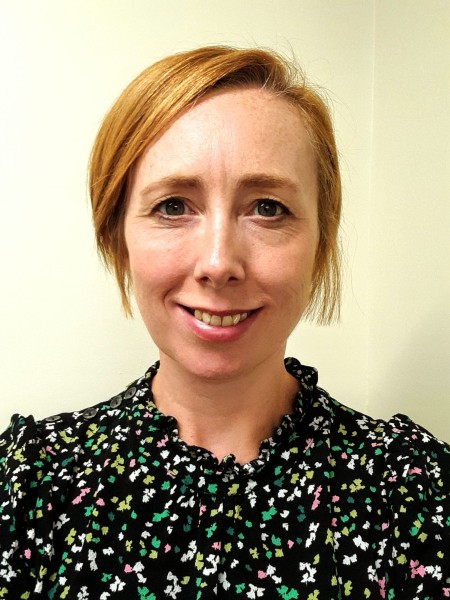
I completed my clinical psychology training and have worked in health psychology settings since qualifying. I joined the respiratory psychology service at Northumbria Healthcare in 2022.
My therapeutic approach is integrative and I work collaboratively with each individual to consider the most appropriate form of psychological support for them. This may include drawing on ACT, CFT, CBT and EMDR (more information here).
Outside of work, I enjoy exploring the countryside and coastlines around the North East.
Dr Agnieszka Jazdzyk, counselling psychologist
I am a counselling psychologist, and I have worked within health psychology settings since 2016 – that’s when I also joined the respiratory psychology service at Northumbria Healthcare.
My aim is to provide my patients with therapy that’s tailored to their needs. My therapeutic approach is integrative; it consists of elements of CBT, psychodynamic therapy and ACT (more information here), with a focus on psychoeducation around patients’ mental health issues, followed by helping patients with adjustment, acceptance, feelings of grief, low self-esteem etc. in connection to their respiratory issues.
Outside of work, I enjoy reading and travelling.
Dr Lin Stevenson, clinical psychologist 
I joined the NHS in 2016 as an assistant psychologist, moving to the North East for clinical psychology training in 2020. I first joined the health psychology department at Northumbria Healthcare as a trainee clinical psychologist and returned after finishing the course.
Working within a physical health setting, I find it is important to understand the interplay between mental and physical wellbeing, aiming to enhance patients' overall health outcomes with a holistic approach to their care.
My therapeutic approach is intergrative, often incorporating elements from ACT, CFT attachment theory, and systemic family therapy models (more information here).
I spend a lot of my free time close to, or in, the sea or walking (very slowly) with my elderly dog, Summer.
A member of your respiratory or cardiology care team can refer you. If you feel you would benefit from psychological support, please talk to your care team.
Our service supports patients who have been affected by their cardiac or respiratory condition. You will need to give permission for the referral.
Following your referral, we will contact you to carry out a telephone screening appointment. This will be within about four weeks of your referral. We will find out more information and decide what support is most suitable. If further input from our service is appropriate, we will arrange this with you.
We can offer appointments either face to face or by telephone or video consultation. We offer individual or group-based interventions.
Appointments will be arranged directly with you or by telephone or letter. If, for any reason, you cannot attend, please let us know as soon as possible. If we don’t hear from you, we may presume that you no longer want psychological support and may discharge you from the service.
These resources are suggestions. You must decide if you think they will help you. We look at what we share, but may not spot something that you do not like. If you are unsure about judging for yourself, please use resources on the following sites:
Talking therapies are free NHS services that offer support for common mental health issues like anxiety, depression, and stress. You don’t need a formal diagnosis or a referral from your GP as you can refer yourself directly online. Once you’ve submitted a referral, the service will contact you to discuss your needs and may place you on a waitlist depending on availability. These therapies are often based on Cognitive Behavioural Therapy (CBT) and can be delivered in person, over the phone, or online, helping you develop practical tools to manage your mental wellbeing.
Samaritans offer free, confidential support to anyone struggling to cope or feeling overwhelmed. You don’t need a diagnosis, referral, or appointment. Their trained volunteers are available 24/7 to listen without judgment.
You can call them anytime on 116 123 (free from any UK phone). Or email jo
Mind is a leading mental health charity offering free support and information for anyone struggling with their mental wellbeing. You don’t need a diagnosis, referral, or appointment. Their website provides practical advice on conditions like anxiety and depression, along with tips for everyday mental health.
You can call their Infoline on 0300 123 3393, Monday to Friday, 9am to 6pm, for confidential support and guidance.
Everyturn offers free mental health support across Newcastle, including talking therapies and crisis services. You don’t need a diagnosis or a GP referral, you can refer yourself online. Once referred, you may be added to a waitlist depending on availability. Their services include one-to-one support for anxiety, depression, and other mental health challenges, as well as practical help with issues like housing, finances, or substance use. They also run Safe Havens, which are drop-in centres open daily from 2pm to 10pm, providing compassionate, out-of-hours support for anyone in distress.
The British Heart Foundation website offers a wide range of resources to support heart health, including guides on heart conditions, downloadable booklets, and practical advice for cardiac rehabilitation. It features tools for healthy living like heart-smart recipes and exercise tips, plus interactive CPR training through its RevivR tool.
Through their Heart Helpline, you can speak to a trained cardiac nurse from 9am to 5pm, Monday to Friday, via webchat, email, or over the phone. They can help with understanding medications and their side effects, improving your diet and lifestyle, interpreting test results, managing a new or existing diagnosis, and addressing financial concerns related to your care.
Cardiomyopathy UK is a charity that supports people affected by heart muscle disease. Their website offers easy-to-understand information about cardiomyopathy, treatment options, and living well with the condition. Similar to the British Heart Foundation, there is also live support available from cardiac nurses.
Asthma + Lung UK is the UK’s leading charity supporting people with lung conditions. Their website offers a wide range of resources including detailed guides on asthma, COPD, bronchiectasis, and other respiratory conditions, alongside downloadable factsheets and self-management tools. You’ll also find practical advice on inhaler technique, breathing exercises, and navigating flare-ups or hospital care.
The charity provides a free helpline staffed by respiratory nurses and trained advisors, available Monday to Friday, 9am to 5pm via phone or email. They can help with understanding your diagnosis, managing symptoms, medication queries, and accessing local services or financial support.
- Age UK
Age UK offers free, confidential information and advice for older people, their families, and carers across Northumberland and North Tyneside. Their advisers can help with a wide range of issues such as finances, pensions, care, housing, health, and legal issues.
Northumberland Frontline is a free online directory that helps you quickly find local health, care and community services near where you live. You can search by postcode to see what’s available in your area, from wellbeing activities and social support to advice services.
If you need extra help, your GP practice or another professional can also use the system to refer you directly, so you’re connected to the right support faster.
These local support groups are run independently. They are not monitored by the NHS or our team, but you may find them helpful
This support group welcomes anyone affected by cardiomyopathy including patients, family members, and carers. Whether you're newly diagnosed or have lived with the condition for years, the group offers a warm, friendly space to connect with others and share experiences. Meetings are held both in person and online.
This support group welcomes anyone affected by a lung condition, including patients, carers, and family members. Whether you’ve been recently diagnosed or have been living with a respiratory illness for years, the group offers a warm and inclusive space to connect with others and share experiences. Meetings are held in person.
- Age UK
Age UK runs a variety of welcoming support groups across Northumberland and North Tyneside to help older people stay active, connected, and supported. These include regular coffee mornings and social groups in towns such as Ashington, Blyth and Morpeth, exercise and wellbeing classes to encourage healthy living, dementia‑friendly activities for those living with memory loss and their carers, and veterans’ groups offering peer support and companionship. Many sessions also feature activities like arts and crafts, board games, singing, and community outings, all designed to reduce isolation and build friendships.
PeerTalk offers free, confidential peer support groups for adults experiencing depression, anxiety, or emotional distress. Meetings are open to anyone aged 18+, with no referral or registration required. Groups are facilitated by trained volunteers and provide a safe, non-judgmental space to share experiences or just listen. PeerTalk runs weekly support groups in Gateshead, North Shields, and Whitley Bay. More information can be found on their website.
Andy’s Man Club is a free, peer-to-peer support group for men aged 18 and over, designed to help those who are struggling with their mental health or simply want to talk. You don’t need a diagnosis, referral, or to register, just turn up at one of their sessions, held every Monday at 7pm (excluding bank holidays). They currently offer sessions in Newcastle, Wallsend, Blyth, and one opening soon in Cramlington. The groups offer a safe, non-judgmental space where men can share experiences, listen, and support each other through life’s challenges.
Our Resource Library is a trusted space where you can find helpful leaflets, booklets, and digital tools to support your health and wellbeing.
Whether you're looking to understand a condition, explore treatment options, or learn how to care for yourself at home, these resources are designed to be clear, practical, and easy to use.
For example:
If you are worried about waiting or your mood worsening, please speak to your GP.
If you are worried that you may harm yourself, you can contact the crisis team by calling 111 and choosing option 2. They are available 24 hours a day, 7 days per week. You can also attend A&E.
Please note that we do not provide an urgent service. If you need urgent help, you should contact the crisis team, A&E, or call 999.