

Publish date: 20 April 2026
‘No 2 days are the same’ – admin and clerical staff talk about their vital, behind-the-scenes role in the North of Tyne Bowel Cancer Screening Programme
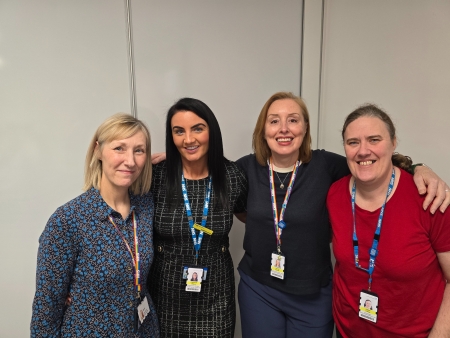
I play a key role in overseeing service delivery, supporting staff, and ensuring high standards of patient care.
A large part of the role focuses on managing capacity and demand activity. This includes planning and adjusting patient lists, overseeing clinics, managing endoscopist diaries, and responding to changes in demand across Newcastle Hospitals and Northumbria Healthcare.
Ensuring patient pathways run smoothly is essential. This involves monitoring waiting lists, checking accuracy across multiple clinical systems, and ensuring patients are correctly managed through the different pathways.
Data quality and governance are also a priority. Regular audits, reporting (such as capacity and demand), and maintaining compliance with policies help ensure the service runs safely and effectively.
Alongside those operational responsibilities, my role includes leading and supporting the admin team through training, inductions, and appraisals, as well as managing system access and supporting wider service coordination.
Overall, as the senior team leader, I have to balance leadership and operational oversight to ensure an efficient, well-organised, and patient-focused screening service. There are no two days the same!
Kelley Birrell, senior team leader
Working as a clerical officer within the bowel cancer screening programme is a varied and essential role that helps ensure patients receive timely and effective care.
A typical day begins with checking systems to ensure patient data is accurate and up to date. We also review admin alerts and follow up on any urgent actions.
Throughout the day, we support patient pathways by booking and managing appointments. This includes arranging colonoscopy appointments at both Newcastle and Northumbria sites, scheduling specialist screening practitioner (SSP) clinics, and rescheduling or cancelling appointments when needed.
Patient communication is a key part of the role. We send text reminders using DrDoctor, arrange interpreters where required, and ensure patients who do not attend or decline appointments are appropriately discharged and recorded.
We also manage patient records, including updating demographics on our systems, registering new patients, and ensuring GP details are correct.
Accurate documentation is critical, so we regularly scan documents, print questionnaires, and complete outcome checks.
In addition to patient-focused tasks, we coordinate logistics such as booking travel and accommodation, arranging taxis, ordering supplies, and requesting clinic space or additional SSP clinics when demand increases.
The role also involves working closely with clinical teams, for example, informing cancer trackers of test outcomes and recording results from SSP appointments.
No 2 days are the same, and the role requires strong organisation, attention to detail, and excellent communication skills. Every task contributes to delivering a smooth and effective screening service for patients.
Working in the programme’s administration team is both challenging and rewarding, as we play a vital role in supporting early detection and patient care.
Sarah Howard and Karen Oliver, clerical officers